
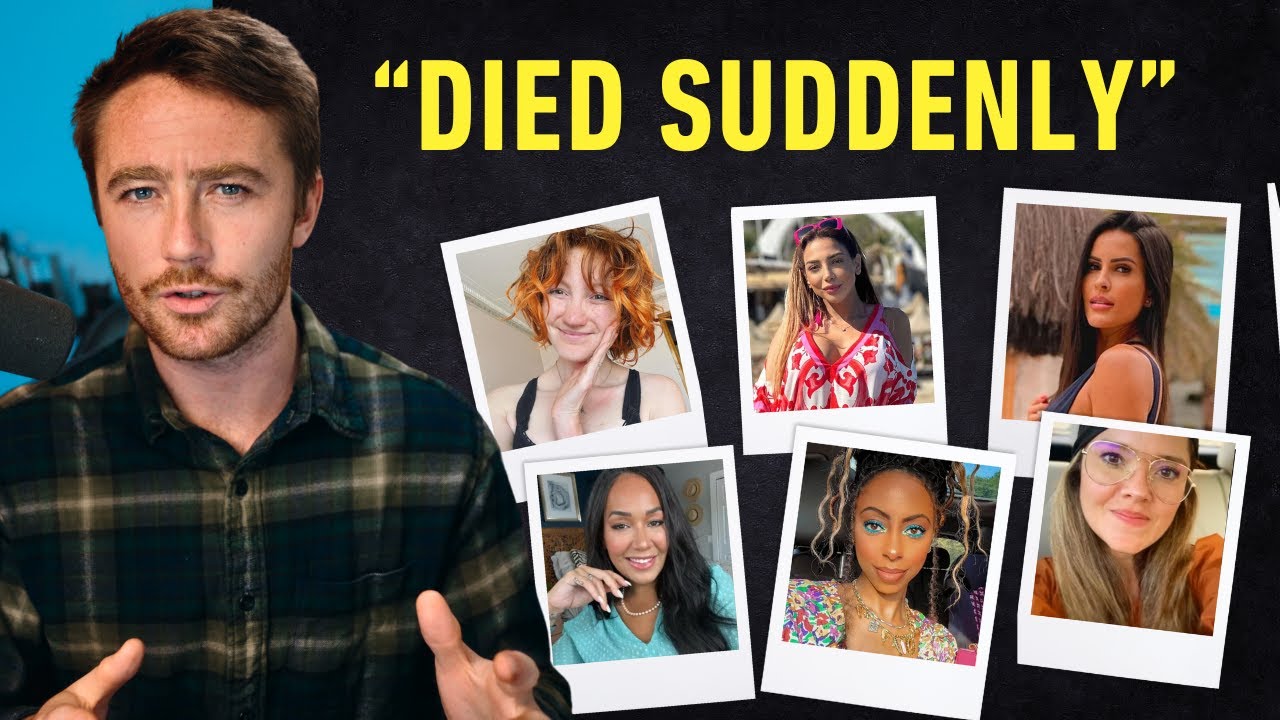
The Alarming Trend of Young Influencer Deaths
In recent years, a disturbing pattern has emerged regarding the health and well-being of young influencers. A worrying number of individuals, many of whom were seemingly healthy and in the prime of their lives, have tragically passed away from a range of unforeseen health issues. This phenomenon raises significant concerns about the overall wellness of society’s youth, particularly among women in their thirties and early forties, many of whom entertain large followings and appear to lead vibrant lives. The alarming frequency of these unexpected deaths has sparked discussions about possible underlying health conditions and societal stressors impacting this demographic.
Recent Cases of Influencer Deaths
Several recent cases underscore this troubling trend. In June, the beloved YouTuber Pretty Pastel Please lost her life at just thirty years old due to lymphocytic myocarditis, an unusual heart condition. Her death shocked fans and followers, particularly because it came without any prior apparent health issues. Add to this the case of Farrah Al Khadi, a thirty-six-year-old architect who suffered cardiac arrest during her vacation, further highlighting a strange prevalence of heart-related issues among younger individuals. Another well-known figure, TikTok influencer Dr. Tatiana Gulawate, passed away in March at thirty-nine, reportedly due to a potential brain aneurysm. Additionally, Jessica Pettway, also thirty-six, lost her life to cervical cancer less than a year after her diagnosis, an unfortunate mark of increasing cancer rates among younger demographics.
This series of heartbreaking events has opened a dialogue about the potential causes behind such a peculiar rise in health-related fatalities. Statistics reveal that heart attacks, once considered a condition primarily affecting older individuals, are becoming increasingly common among younger adults, specifically women aged thirty to fifty. The idea that these women are suffering from what has been described as “turbo cancers”—a term denoting swift and aggressive forms of cancer—has raised eyebrows in both medical circles and among the general public. Indeed, conditions that were once thought to be rare occurrences appear to be more frequent, leading to urgent questions about the contributing factors.
Public Health Implications
The implications of these events extend beyond the individuals involved; they touch on broader societal health issues. A report from the British Heart Foundation highlights that deaths attributable to heart disease in younger adults, particularly those under forty, have seen an unsettling rise. This rise culminates in a worrying realization: deaths from heart diseases before the age of seventy-five in England have reached their highest level in over a decade.
Data and Statistics
- Pretty Pastel Please: Died at 30 from lymphocytic myocarditis.
- Farrah Al Khadi: Died at 36 from cardiac arrest.
- Dr. Tatiana Gulawate: Died at 39; potential brain aneurysm reported.
- Jessica Pettway: Died at 36 from cervical cancer.
Further investigation reveals a worrisome decline in life expectancy across various countries. For instance, a report from Harvard University documents that life expectancy in the United States has dropped to 76.4 years, marking the shortest duration in nearly two decades. Meanwhile, the drop in life expectancy in England and Wales, as reported by The Guardian, signifies a concerning trend mirrored across many high-income nations.
These declines in life expectancy and increases in health crises among younger adults pose significant challenges for public health experts. Various factors have been cited for these trends, such as sleep deprivation, misdiagnoses, and environmental influences. However, discussions also underscore the importance of considering more serious underlying issues that could correlate with recent medical procedures or the overall societal stresses prevalent today.
Societal Impact and Response
The reactions to these tragedies, particularly within social media circles, have been profound. Fans and followers have expressed shock and disbelief as they grapple with the notion that influencers—individuals they admire and relate to—are facing severe health challenges and, in some cases, losing their lives. The phrase “influencers are still dropping like flies” has been echoed on numerous platforms, emphasizing the urgency of addressing this unsettling health crisis.
The public health community is increasingly urging individuals to take proactive steps toward maintaining heart and circulatory health. This includes encouraging regular health check-ups, becoming aware of heart disease symptoms, and promoting healthier lifestyle choices. It has become paramount for individuals, particularly those who have undergone recent medical procedures, to remain vigilant and attuned to their bodily changes.
“The rate at which we are losing young lives to health issues is deeply troubling.” – Public Health Expert
Moving Forward
As questions linger regarding the causative factors behind this rising trend of influencer deaths, it becomes crucial for society to act on these concerns. The ongoing conversation touches not only upon the individuals lost but also raises broader public health implications. The pattern suggests a pressing need for greater health awareness, targeted medical research, and community support systems that prioritize the physical and mental well-being of young adults today.
With these observations, the lives of influencers—who often curate their reality to appear perfect on social media—represent an alarming insight into an urgent health crisis. The juxtaposition of their social media presence and their real-life struggles underscores the necessity for a cultural shift towards prioritizing health, wellness, and openness about the challenges faced by the younger generation in the realms of both mental and physical health.
The Underlying Health Concerns: Heart Disease and Cancer
The rise in health issues, particularly heart disease and cancer diagnoses, among young adults has raised considerable concern within the medical community and society at large. Over the past few years, there has been a noticeable trend of heart-related conditions and various forms of cancer affecting individuals who are, ostensibly, in their prime. This includes documented cases of otherwise healthy influencers succumbing to suddenly diagnosed conditions, leading many to question what could be behind this wave of alarming health issues.
Statistics Pointing to a Growing Crisis
Recent information suggests that heart disease deaths in England have reached their highest levels in fourteen years, particularly among those under forty. This is not an isolated phenomenon, as alarming reports detail a notable increase in cancer diagnoses, specifically in young adults, since 2021. The situation has become critical enough that organizations like the British Heart Foundation have expressed concern, calling for heightened awareness and proactive measures to prevent young lives from being needlessly lost.
A comparative study shows the life expectancy in the United States has dipped to seventy-six point four years, its lowest in nearly two decades. Similarly, life expectancy in England and Wales has also declined, reflecting broader issues that are not limited to any single country but appear to be symptomatic of a global health crisis.
Emerging Health Conditions in Young Adults
At the forefront of this growing crisis are heart conditions such as myocarditis and various cancers that have been documented among young individuals. The unusual spike in cases of myocarditis, particularly lymphocytic myocarditis, has caused considerable alarm, especially following the unexpected death of prominent YouTubers and social media influencers. For instance, a young YouTube personality known as Pretty Pastel Please tragically lost her life at the age of thirty due to this heart condition.
Moreover, numerous reports detail similar cases where women in their thirties and early forties have succumbed to heart-related issues or aggressive forms of cancer, often deemed “turbo cancers.” Such instances include the sudden death of Farrah Al Khadi, an architect who experienced cardiac arrest while on vacation at the age of thirty-six, and Dr. Tatiana Gulawate, a viral TikTok influencer who reportedly passed away from a suspected brain aneurysm at thirty-nine. Perhaps most alarming is Jessica Pettway, who faced cervical cancer and, after just a year of battling the illness, succumbed at the age of thirty-six.
Understanding the Patterns Behind These Trends
The increasing frequency of these incidents among young adults calls for an urgent investigation into the possible causes. Medical experts have noted that there seems to be a peculiar pattern or clustering of deaths related to heart conditions and certain types of cancer that tend to affect younger populations. In recent discussions, healthcare practitioners have suggested that this increase could be attributed to a myriad of factors, ranging from lifestyle changes and societal pressures to environmental influences that have been exacerbated since the pandemic.
It is noted that the mental and emotional toll experienced during the pandemic may have had some bearing on overall health, leading to conditions that set the stage for future complications. The link between heightened stress and deteriorating physical well-being cannot be overlooked, as mental health has underlying connections to cardiovascular and oncological health.
Environmental and Lifestyle Connections
The conversation surrounding rising health concerns also brings attention to environmental factors and lifestyle choices. While the health community has highlighted issues such as sleep deprivation, misdiagnosis, or environmental changes, some experts have begun to entertain the idea that recent medical interventions and societal changes may, in fact, have a more pronounced impact on young adult health. Given the unsettling statistics, it is vital to explore both conventional and unconventional explanations behind these phenomena.
In viewing the health patterns of the past few years, various lifestyle adjustments made during and post-pandemic, such as reduced physical activity and altered dietary habits, potentially compromised immune systems and overall health, pushing young adults into new health crises. Reports indicate that an uptick in sedentary behavior has been common, leading to increased risks of cardiovascular diseases.
Public Health Implications
This public health crisis extends beyond individual health experiences, reflecting systemic issues that threaten the well-being of younger generations. Health experts are now calling for policy changes and community efforts aimed at promoting cardiovascular health and cancer awareness, especially within vulnerable populations such as young adults.
Statistics highlighting the correlation between lifestyle choices and health outcomes echo the urgent need for educational programs focusing on preventive health measures. Simple changes, such as adopting healthier eating habits, increasing physical activity, and prioritizing mental health, can play a significant role in mitigating these emerging health risks.
The Call for Vigilance
With so much at stake, the message is clear: vigilance regarding heart and circulatory health is paramount for young adults at risk. Individuals who have undergone specific medical procedures or have underlying conditions must remain particularly attentive to their health. The recent trend of heart diseases and aggressive cancer types signals a need for heightened awareness and regular health check-ups.
A collective effort from individuals, health professionals, and policymakers will be necessary to combat this burgeoning crisis effectively. As noted in a quote from a health researcher, “We are witnessing patterns that require urgent investigation.” Such sentiments highlight the critical need for future studies to uncover deeper insights into the possible connections between these rising health conditions and their potential indicators.
The surge in heart disease and cancer among young adults requires immediate attention and action to ensure public health initiatives prioritize preventative measures and early detection strategies. With a shared understanding of the alarming trends, society can empower individuals to take decisive actions that promote healthier lifestyles and, ultimately, prevent unnecessary loss of life among the vibrant young adult population.
3. Media Narratives and Misdiagnoses: Fact vs Fiction
In the past few years, media coverage related to health has evolved significantly, often reflecting a mix of fact and fiction. With the rise of social media, narratives regarding health crises and celebrity well-being appear to shape public perception profoundly. This influence raises urgent questions about how health issues are reported, the accuracy of information disseminated, and the public’s understanding of real medical challenges.
Media’s Portrayal of Health Trends
Recent incidents, particularly those involving the untimely deaths of young social media influencers like the YouTuber Pretty Pastel Please, underscore the media’s role in framing health narratives. She tragically died at the age of thirty from lymphocytic myocarditis, a heart condition that is not commonly associated with such a young demographic. This particular case, occurring in June, sparked a flurry of media speculation regarding the health of influencers and the alarming trend of sudden heart-related incidents in individuals seemingly in their prime.
Beyond Pretty Pastel Please, others like Farrah Al Khadi and Dr. Tatiana Gulawate have also faced similar fates, all under the age of forty. The mortality rates for young women are becoming a subject of a strange pattern, with increasing reports of uncommon health problems like cardiac arrest and brain aneurysms. These narratives often lead to sensational headlines, compelling readers to view such tragedies as part of a broader health crisis, rather than isolated incidents. This phenomenon suggests a crucial intersection between media narrative and public perception, where stories are not merely reported, but rather orchestrated to create emotional connections with audiences.
Proposed Reasons for Rising Health Issues
The spike in sudden health issues among young adults, particularly women, has led to various proposed explanations. A notable increase in heart attacks among those aged thirty to fifty and a surge in rare forms of cancer, popularly termed “turbo cancers,” present an alarming picture of current health trends. Reports suggest that many of these conditions may be influenced by a combination of stress, lifestyle changes, and perhaps even recent medical treatments or societal pressures.
For instance, a report by the British Heart Foundation indicated that there has been a notable increase in heart disease among younger adults, specifically those under forty. The rise in heart-related deaths in England suggests a somber reality: deaths from heart disease before the age of seventy-five have reached unprecedented levels over the past decade. This trend should prompt a reevaluation of personal health practices and preventive measures.
Additionally, amidst this health crisis, statistics from sources such as Harvard University reveal that life expectancy in the U.S. has declined significantly, now standing at just 76.4 years, a figure that has not been this low in two decades. This information, corroborated by reports from The Guardian about a similar decline in England and Wales, reflects a troubling trend that permeates high-income countries globally. As researchers and public health officials investigate these issues further, they are forced to address the potential connections between health crises and environmental factors, societal stressors, and shifting medical practices.
Examining the Role of Public Perception
As the media amplifies narratives surrounding these health trends, public perception inevitably shifts. Misinformation can spread rapidly online, as individuals increasingly rely on social media platforms for health advice. This situation can lead to misdiagnoses, particularly when public figures mistakenly attribute their issues to benign factors. For example, claims relating to sleep deprivation and environmental changes are frequently cited, yet they can distract from more significant underlying concerns. Such narratives can inadvertently downplay critical conversations about mental health, genetics, and healthcare access.
The media must navigate a fine line when reporting on health issues. On one hand, sensationalism can captivate audiences; on the other, it may skew public understanding of the realities surrounding health—leading to increased anxiety and misguided health choices. As stated by a media analyst, “The narratives around health often distract from the underlying issues.” This duality presents challenges not only for consumers but also for healthcare professionals who must manage misinformed patients emerging from viral online trends.
Health Reporting and Its Implications
The portrayal of health issues in media must be approached with caution. Accurate reporting is vital, and the potential fallout from sensational headlines can lead to significant consequences for public health. For instance, discrepancies in the reported rise of “turbo cancers” and sudden cardiac deaths raise concerns about effective diagnosis and treatment pathways—especially for women who may be disproportionately affected. Misunderstandings can create barriers to seeking timely and appropriate care when they are most needed, allowing small issues to escalate into larger, more serious health crises.
- Claims of Sexism in Treatment: Reports indicate that gender bias can impact the quality of care received by women, resulting in misdiagnosed conditions. The implications extend to potential long-term health outcomes—with women’s symptoms often being minimized or overlooked.
- Impact of Social Media: The rapid dissemination of information, both accurate and not, can lead to collective misinformation, as trends become viral without thorough vetting or fact-checking.
Ultimately, as the media continues to play a pivotal role in shaping narratives surrounding health, it is imperative for both consumers and professionals to critically assess the information presented. The interplay of fact and fiction in health reporting will continue to evoke discussions about the real implications for public health, the importance of accurate diagnoses, and how society can prioritize wellness in a complex world.
Addressing these issues thoughtfully involves recognizing the limits of casual media narratives, the need for comprehensive public health education, and ongoing conversations surrounding the socio-economic factors at play. Engaging with credible sources, prioritizing personal health checks, and encouraging open dialogues about systemic healthcare issues can forge a path toward better understanding and management of health crises—ultimately contributing to improved health outcomes for all.
“The narratives around health often distract from the underlying issues.” – Media Analyst
As the discourse around these topics develops, it is crucial that individuals remain informed and proactive regarding their health, actively participating in shaping conversations in their communities and advocating for better health awareness and practices.
Conclusion: The Call for Awareness and Action
The alarming pattern of unexpected deaths among young influencers in 2024 has ignited a crucial conversation concerning health awareness and proactive health measures. A notable number of these tragic events, primarily affecting individuals in their thirties and early forties, have raised significant concerns about underlying health issues. Among the cases highlighted are those of prominent figures such as Pretty Pastel Please, who succumbed to lymphocytic myocarditis at the age of thirty, and Farrah Al Khadi, a thirty-six-year-old architect, who suffered fatal cardiac arrest while on vacation. Such incidents, characterized by their seeming randomness and absence of prior health warnings, merit serious reflection on health and wellness trends within this demographic.
The prevalence of heart-related conditions amongst influencers has become impossible to ignore. This pattern is echoed not only in the cases of celebrities but also in the growing statistics indicating an increase in heart attacks among women aged thirty to fifty and a worrying rise in various cancer types since 2021. The emergence of so-called “turbo cancers” has further compounded fears, with increasing reports of aggressive malignancies affecting younger individuals. These developments point to a disturbing trend that demands urgent attention from both the public and health authorities.
Statistical evidence bolstering these concerns reveals a declining life expectancy across high-income countries. According to research from Harvard University, life expectancy in the United States has plummeted to seventy-six point four years, the lowest level seen in nearly two decades. In England and Wales, similar downward trends have been reported, as noted by The Guardian. The cumulative effect of these data points underscores a critical public health challenge that requires immediate action.
Amid these unsettling statistics, the discourse surrounding health issues has become increasingly muddled. Various media narratives suggest that contributing factors to the rising incidences of heart disease may include sleep deprivation, misdiagnosis, and broader environmental changes. However, there remains an apparent reluctance to delve deeper into potential correlations with recent medical innovations or the unique stressors faced by this digital age. Thus, health professionals and influencers alike are called upon to advocate for a more thorough exploration of these intersections to better inform the public on possible risks and preventive measures.
Moreover, the notion of health advocacy takes on an urgent tone in this context. As more young individuals confront severe and unexpected health challenges, empowering them with information and supporting proactive health measures becomes essential. Awareness is the first step towards prevention, enabling individuals to take charge of their well-being rather than remaining passive consumers of health advice.
Conscious of these realities, individuals are encouraged to adopt holistic health practices. This includes regular health screenings, fostering healthy lifestyle habits through balanced nutrition and physical activity, and emphasizing mental well-being. In light of recent research suggesting that lifestyle choices, including diet and exercise, can significantly impact heart health, individuals should be motivated to prioritize their physical condition. Furthermore, those who have experienced certain medical processes must remain vigilant. Recognizing this point of view, public health initiatives should also facilitate community-based programs that inform citizens of the risks associated with various health conditions.
As influencers often wield considerable power over young audiences, they must also exercise responsible advocacy. Their platforms provide an invaluable opportunity to raise awareness about health issues and share critical health information that could potentially save lives. By embracing their roles as both role models and educators, influencers can help foster a culture of health consciousness, ultimately leading to societal change.
In conclusion, while the landscape of health challenges appears daunting, the potential for positive change through collective awareness and action is palpable. By galvanizing public dialogue about health issues and urging for immediate and proactive measures, there exists an opportunity for significant societal transformation. The emerging trends reflected in recent health statistics underscore the pressing need for heightened awareness, advocacy, and action within communities worldwide. A commitment to addressing these challenges now may prevent further tragedies, ensuring a healthier and more informed generation for the future.
TL;DR: The increase in unexpected health challenges among young influencers, particularly heart-related conditions and aggressive cancers, highlights a pressing need for greater awareness and proactive health measures. The decline in life expectancy across high-income countries further emphasizes the need for advocacy and education directed towards preventive health practices. By engaging both the public and influencers in discussions about health, there is potential for significant societal change and improved health outcomes for younger generations.